
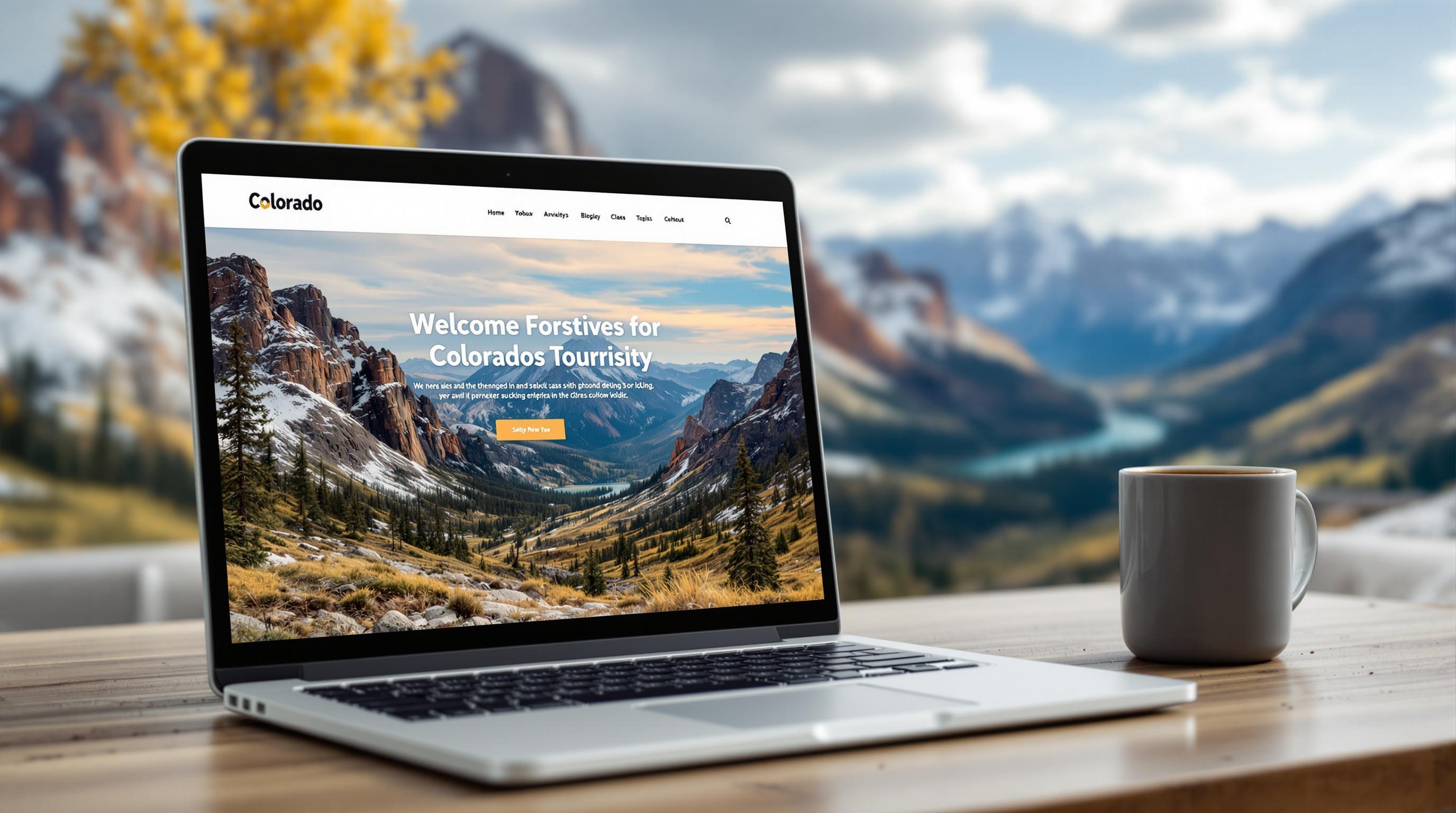
Colorado’s tourism industry is fiercely competitive, with breathtaking landscapes and world-class attractions drawing millions of visitors annually. Yet many tourism businesses struggle to stand out in this crowded marketplace. The difference between thriving and merely surviving often comes down to effective web design and branding. In today’s digital-first travel planning environment, your online presence isn’t just a virtual business card—it’s frequently the decisive factor in whether travelers choose your experience over competitors.
Why Web Design and Branding Matter for Colorado Tourism Businesses
Colorado welcomed over 86.9 million travelers in 2022, generating $24.2 billion in tourism spending. With such enormous potential, tourism businesses cannot afford to present anything less than an exceptional digital experience. Your website and brand identity serve as your front-line ambassadors, communicating your unique value proposition before visitors ever set foot in your establishment.
Effective branding and web design work together to:
• Create memorable first impressions that resonate with potential visitors
• Build trust and credibility in a market where travelers are increasingly cautious
• Differentiate your business in Colorado’s saturated tourism landscape
• Convey your unique story and authentic Colorado experience
• Convert casual browsers into committed bookings
Consider this: 81% of travelers research online before booking travel experiences, according to Google’s travel insights. Your website is likely the first substantial interaction potential customers have with your business. This digital handshake can either welcome visitors warmly or send them clicking to competitors.
“The average user forms an opinion about a website in 0.05 seconds. For tourism businesses, this means your website has less than a blink of an eye to make a positive impression.”
– Nielsen Norman Group Research
Essential Web Design Elements for Colorado Tourism Businesses
Successful tourism websites don’t happen by accident. They’re carefully crafted experiences that guide visitors from inspiration to action. Here are the key components your Colorado tourism website must include:
Visual Storytelling That Captures Colorado’s Essence
Colorado’s appeal is largely visual—from snow-capped peaks to red rock formations. Your website should leverage high-quality imagery that showcases your specific location and experiences.
Effective visual elements include:
• Professional photography featuring your actual location and amenities, not generic stock photos
• Virtual tours that allow potential visitors to envision themselves in your space
• Video content capturing seasonal experiences and activities
• Drone footage showcasing the surrounding landscapes and natural beauty
• User-generated content that provides authentic perspectives
Remember that images should be optimized for web to ensure fast loading times, especially for mobile users with varying connection speeds while traveling or planning on the go.
User Experience Designed for Travelers
Tourism websites serve diverse audiences with specific needs. Your site architecture should anticipate and address the questions and concerns of potential visitors.
Essential UX elements include:
• Intuitive navigation with clear pathways to booking information
• Mobile responsiveness for on-the-go research and booking
• Location-based information with integrated maps and directions
• Seasonality guidance to help visitors plan optimal trips
• Accessibility features for travelers of all abilities
• Fast loading times that respect visitors’ planning time
Studies show that 53% of mobile users abandon websites that take more than three seconds to load. In tourism, where comparison shopping is common, this can be particularly devastating.
Content That Educates and Inspires
Your website content should strike a balance between practical information and inspirational storytelling. This dual approach serves both the planning needs of serious prospects and the dreaming phase of future visitors.
Content strategies to implement:
• Detailed descriptions of experiences, accommodations, and amenities
• Local insights that position you as an authentic Colorado expert
• Seasonal content that addresses different visitor interests throughout the year
• FAQ sections addressing common traveler concerns
• Blog content highlighting local attractions, events, and insider tips
• Clear pricing and availability information to facilitate decision-making
“48% of US travelers say that travel brands that provide helpful or inspiring social content influence their travel decisions.”
– Google/Ipsos, “Travel Content Takes Off on YouTube”, 2022
Building a Colorado Tourism Brand That Resonates
Branding goes beyond logos and color schemes—it’s about creating a cohesive identity that communicates your business’s unique character and promise. For Colorado tourism businesses, effective branding should evoke the distinctive qualities that make your offering special within the state’s diverse tourism landscape.
Authenticity in Colorado Tourism Branding
Today’s travelers, particularly those drawn to Colorado, value authenticity above all. They’re seeking genuine experiences that connect them to the state’s natural beauty, outdoor culture, and local communities.
Creating authentic branding:
• Develop a brand story rooted in your actual history and connection to Colorado
• Avoid generic tourism clichés in favor of specific, honest representations
• Highlight sustainable and responsible tourism practices
• Showcase the real people behind your business
• Incorporate elements of local culture and heritage
Authenticity builds trust, and trust translates to bookings. When travelers believe your brand accurately represents the experience they’ll have, they’re more confident in making reservations.
Visual Identity That Reflects Your Colorado Experience
Your visual branding should instantly communicate something essential about your business and its relationship to Colorado’s natural and cultural landscape.
Visual branding considerations:
• Color palettes that reflect your specific Colorado environment (alpine blues, desert reds, forest greens)
• Typography that balances professionalism with your brand personality
• Logo design that communicates your niche within Colorado tourism
• Consistent visual language across all touchpoints
• Photography guidelines that ensure cohesive visual storytelling
Remember that effective branding maintains consistency while evolving with your business. Regular brand audits ensure your visual identity continues to align with your offerings and customer expectations.
“77% of travelers say that a compelling destination website influenced their decision to visit a particular location.”
– Destination Analysts, State of the American Traveler Survey
Implementing Strategic Improvements to Your Tourism Digital Presence
Enhancing your web design and branding isn’t a one-time project but an ongoing strategic process. For Colorado tourism businesses, this process should be approached methodically, with clear priorities and measurable goals.
Assessment and Planning
Before making changes, thoroughly evaluate your current digital presence against industry standards and competitor offerings.
Assessment steps:
• Conduct a comprehensive website audit evaluating user experience, content, and technical performance
• Analyze visitor behavior using tools like Google Analytics to identify pain points
• Gather customer feedback about their digital experience with your business
• Benchmark against similar Colorado tourism businesses
• Identify specific goals for improvement tied to business objectives
This foundation ensures that design and branding improvements address actual business needs rather than following arbitrary trends.
Working With Professional Design Partners
While DIY website builders have made basic web presence more accessible, tourism businesses benefit significantly from professional design expertise. Specialists in tourism digital marketing understand the unique challenges and opportunities in this sector.
Finding the right partner:
• Look for agencies with specific experience in tourism and hospitality design
• Prioritize partners who understand Colorado’s specific tourism landscape
• Review portfolios for evidence of conversion-focused design, not just aesthetics
• Ensure they offer post-launch support and analytics
• Discuss measurement strategies to track ROI on your design investment
The right design partner will focus not just on creating a beautiful website but on developing a strategic asset that drives business growth.
Measuring Success and Iterating
Effective web design and branding for tourism isn’t set-and-forget. It requires ongoing attention and refinement based on performance data and changing market conditions.
Key performance indicators to track:
• Booking conversion rates from website visitors
• Average time on site and pages per session
• Mobile usage metrics and conversion rates
• Seasonal performance variations
• Source of traffic and booking conversions
• Customer acquisition cost through digital channels
Use these metrics to guide continuous improvements, making your website increasingly effective at converting Colorado’s tourism interest into direct bookings for your business.
Conclusion: Investing in Digital Excellence
In Colorado’s competitive tourism landscape, exceptional web design and branding aren’t luxury investments—they’re essential business tools that directly impact your bottom line. As travelers increasingly research, plan, and book online, your digital presence often determines whether potential visitors choose your experience or continue scrolling to competitors.
The most successful Colorado tourism businesses recognize that their websites are their hardest-working employees—representing the brand 24/7 to a global audience of potential visitors. By investing in professional design, authentic branding, and strategic digital marketing, you position your business to capture a greater share of Colorado’s growing tourism market.
Remember that digital excellence in tourism marketing isn’t about following trends or implementing technology for its own sake. It’s about creating meaningful connections with travelers, telling your authentic Colorado story, and making it irresistibly easy for visitors to choose your experience for their precious vacation time and budget.
As Colorado tourism continues to evolve, the businesses that thrive will be those that embrace digital excellence as a core business strategy, not an afterthought. Is your tourism business ready to stand out in the digital landscape as impressively as Colorado stands out in the natural one?
ABOUT TRIPSIXDESIGN
Tripsix Design is a creative agency based in Fort Collins, Colorado and Manchester, England. We specialize in branding, digital design, and product strategy – combining creativity with data-driven insight to deliver tailored, high-impact solutions. Small by design, agile by nature, we’re dedicated to producing thoughtful, high-quality work that drives results.
If you like what you’ve read here and would like to know more, or want to know how we can support your business growth, then connect with us here.
SOURCES
Colorado Tourism Office – Economic Impact of Tourism 2022