
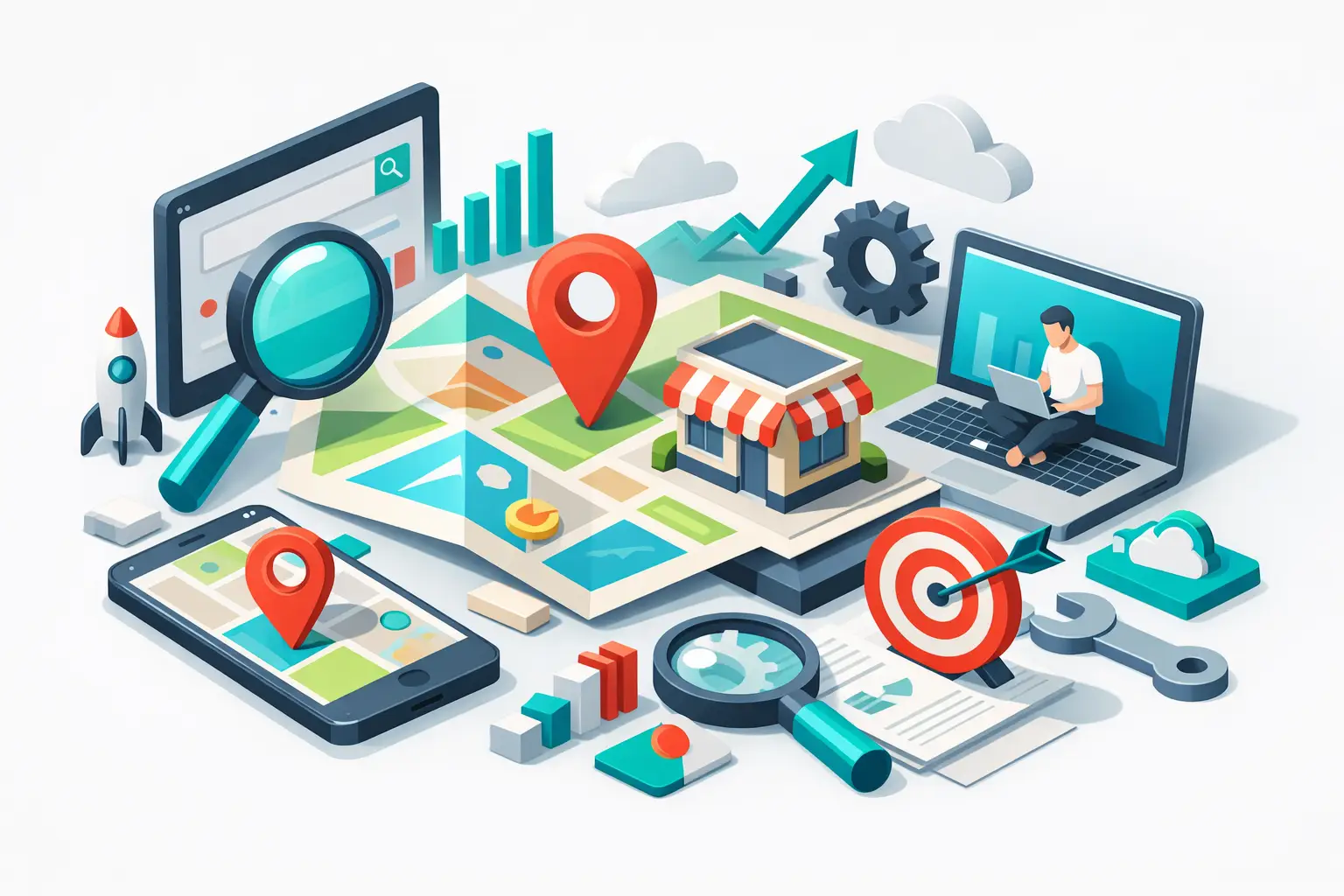
A local firm can have a sharp brand, a solid website, and strong referrals – then still lose leads because its visibility breaks down at the search stage. That is why choosing the best SEO tools for local businesses is less about collecting software and more about building a system that helps the right buyers find you, trust you, and convert.
For growth-focused companies, especially service businesses with longer sales cycles, local SEO is not just a map-pack problem. It affects branded search, review visibility, location pages, technical performance, and how clearly your business shows up against stronger competitors. The right tools help you make smarter decisions faster. The wrong ones create dashboards nobody uses.
What the best SEO tools for local businesses should actually do
Most local businesses do not need an oversized enterprise stack. They need tools that answer practical questions. Are we showing up in the markets that matter? Are our listings accurate? Are reviews helping or hurting conversion? Which pages are gaining traction, and which ones are quietly underperforming?
That is the real filter. The best platforms do not just surface data. They help your team act on it. For a law firm, architecture practice, consultancy, or multi-location service brand, that often means combining rank visibility, reputation management, on-site insights, and technical monitoring rather than relying on one platform to do everything well.
Google Business Profile
If your business depends on local intent, this is still ground zero. Google Business Profile is not glamorous, but it directly shapes how your business appears in local search results and maps. It affects first impressions before a visitor ever reaches your website.
The value here is control. You can manage business categories, services, photos, hours, questions, and review responses. Those details influence local relevance and click behavior more than many companies realize.
The trade-off is that it is not a full SEO platform. It will not replace broader keyword tracking or site auditing. But if this profile is incomplete, inconsistent, or inactive, adding advanced tools on top will not fix the foundation.
Google Search Console
Search Console gives you something many paid tools only estimate – direct insight into how Google sees your site. You can review queries, impressions, clicks, indexing issues, page performance, and technical warnings straight from the source.
For local businesses, this matters because visibility often spreads across location modifiers, service terms, and branded searches that shift over time. Search Console helps you spot those patterns. You may find that one city page is earning impressions but weak clicks, or that branded searches are rising while non-branded local discovery is flat.
It is not designed for polished reporting, and the interface is not built for executives. Still, for strategic SEO work, it is one of the most valuable free tools available.
Google Analytics 4
Rankings are useful. Revenue is better. Google Analytics 4 helps connect organic traffic to engagement and conversion behavior so you can see whether local SEO is attracting qualified visitors or just inflating sessions.
This is especially important for professional services and high-consideration businesses. A visitor may not call on the first click. They may read a service page, compare credentials, visit your contact page, leave, and return later. Analytics helps you understand those journeys and identify which local landing pages support actual pipeline growth.
The catch is setup. If conversion events are poorly configured, the data gets muddy fast. Analytics is powerful, but only when paired with clear measurement strategy.
BrightLocal
BrightLocal is one of the strongest purpose-built options for local SEO. It is especially useful for businesses that need to track local rankings, monitor reviews, audit citations, and manage listing consistency across platforms.
What makes it practical is focus. Instead of trying to be everything, it concentrates on the operational pieces of local search. If your team needs to understand how you perform in a specific city or ZIP code and keep business information aligned across directories, it does that well.
For single-location businesses, it can be a very efficient choice. For larger organizations with broader content and technical SEO needs, it works best as part of a wider stack rather than as the only tool.
Semrush
Semrush is broader than a local SEO platform, which is exactly why many growth-stage businesses benefit from it. It combines keyword research, competitor analysis, site audits, position tracking, and content insights in one place.
For local strategy, its strength is context. You can look beyond map visibility and understand who is outranking you organically, what terms they are targeting, where your content gaps exist, and which technical issues may be limiting performance. If your local SEO strategy includes service pages, thought leadership, and competitive market positioning, that wider view matters.
The downside is cost and complexity. Semrush can be more platform than a small business truly needs. But for companies that want local visibility tied to broader digital growth, it is a serious contender.
Ahrefs
Ahrefs remains one of the most useful tools for understanding organic competition, backlink profiles, and content opportunity. It is not local-first in the way BrightLocal is, but it becomes highly valuable when your local SEO strategy overlaps with authority building and organic search expansion.
This is often the case for firms competing in crowded professional markets. If multiple companies offer similar services in the same region, stronger authority signals and better content architecture can make the difference. Ahrefs helps uncover what competing sites are earning visibility for and where your site may be falling behind.
If your immediate need is citation cleanup or review tracking, Ahrefs is not the first tool to buy. If your challenge is outmaneuvering established competitors in search, it becomes much more compelling.
Whitespark
Whitespark is widely known for local rank tracking and citation discovery. It is particularly useful for businesses that want a sharper picture of how they appear in local search by geography and need help identifying listing opportunities.
Its value is precision. Local rankings are not universal. They vary by location, device, and search context. Whitespark helps expose those differences, which is important when you serve multiple neighborhoods, cities, or regional markets.
It is a specialist tool, not an all-in-one marketing platform. That is a strength if you want local clarity. It may feel narrow if your team expects a broader SEO suite.
Moz Local
Moz Local is built around listing management and business data distribution. For companies dealing with inconsistent addresses, duplicate listings, or messy local data, it can save time and reduce avoidable confusion across search ecosystems.
That sounds basic, but consistency still matters. Inaccurate local business information weakens trust signals and creates friction for potential clients. Moz Local helps keep those details cleaner across key platforms.
This tool is best when local data hygiene is the issue. If your website has weak page structure, poor content targeting, or technical SEO problems, you will need additional tools and strategy.
Screaming Frog
Screaming Frog is not flashy, but it is one of the most useful technical SEO tools available. It crawls your site and surfaces issues related to metadata, broken links, redirects, duplicate content, indexability, and site architecture.
For local businesses, this matters more than it may seem. A location page can have the right keyword target and still underperform because of technical flaws, weak internal linking, or duplicate page elements. Screaming Frog helps uncover those issues quickly.
It is better suited for marketers, developers, or agency partners than for casual users. But when local pages are part of a broader website strategy, technical cleanup often produces faster gains than chasing more keywords.
Review management platforms
Reviews are not a side channel. They shape click-through rates, trust, and conversion behavior. Platforms such as GatherUp, Birdeye, or Grade.us can help local businesses request reviews consistently, monitor sentiment, and respond at scale.
This matters because visibility without credibility does not convert. A strong search presence paired with weak or stale reviews can undercut performance fast, especially in legal, consulting, healthcare, and other trust-sensitive categories.
The right platform depends on volume and workflow. A single office may need something lightweight. A multi-location brand may need routing, permissions, and reporting across teams.
So what is the right stack?
It depends on your growth stage and the complexity of your business. A smaller local company may get real traction from Google Business Profile, Search Console, Analytics, and one dedicated local platform like BrightLocal or Moz Local. That setup covers visibility, listings, and core performance without unnecessary sprawl.
A more established business with multiple services, stronger competition, or expansion goals usually needs a deeper mix. That often means pairing local tools with Semrush or Ahrefs, then using Screaming Frog for technical oversight and a review platform to support reputation management.
The bigger point is this: software should support strategy, not replace it. Tools can show you where demand exists, where competitors are gaining ground, and where your local presence is fragmented. They cannot decide your positioning, sharpen your messaging, or turn a weak website into a high-converting one on their own.
That is where the real advantage comes from. The businesses that win in local search are usually not the ones with the most tools. They are the ones using the right stack to support a clearer brand, a stronger site experience, and a smarter conversion path. If you are evaluating your options, start with the gaps that are already costing you leads – then choose tools that help you close them with speed and intent.
Frequently asked questions (FAQs)
What SEO tools do local service businesses actually need?
Local service businesses don’t need enterprise software stacks—they need tools that answer practical questions like visibility in key markets, listing accuracy, review impact, and page performance. The best approach combines rank tracking, reputation management, on-site insights, and technical monitoring rather than relying on one platform to do everything well.
Why is Google Business Profile important for local SEO?
Google Business Profile is foundational for local search because it directly controls how your business appears in local results and maps, affecting first impressions before visitors reach your website. Managing categories, services, photos, hours, and review responses influences local relevance and click behavior, making a complete and accurate profile essential before adding advanced tools.
How can I tell if my local SEO is actually driving business growth?
Google Analytics 4 helps connect organic traffic to actual conversion behavior, showing whether local SEO attracts qualified visitors or just inflates sessions. This is especially important for professional services where customers research multiple pages before converting, allowing you to identify which local landing pages support real pipeline growth.
What's the difference between BrightLocal and Semrush for local SEO?
BrightLocal is purpose-built for local operations like rank tracking, review monitoring, and citation consistency—ideal for single-location businesses. Semrush is broader, combining keyword research, competitor analysis, and content insights, making it better for growth-stage companies that need local visibility tied to wider digital strategy.
When should I use Ahrefs for local SEO?
Ahrefs becomes valuable when your local SEO strategy overlaps with authority building and organic expansion, especially in crowded professional markets where stronger backlinks and content architecture differentiate competitors. If your immediate need is citation cleanup or review tracking, other tools are more practical; if you need to outmaneuver established competitors, Ahrefs is compelling.
Why do I need Screaming Frog if I have other SEO tools?
Screaming Frog uncovers technical issues—broken links, duplicate content, metadata problems, and indexability flaws—that prevent location pages from performing even with correct keywords. For local businesses, technical flaws and weak internal linking often cause underperformance that other tools miss, making site crawling essential for complete SEO health.